Inside the Modern Nicotine Industry: How Consumer Demand Drives Innovation
Case study, UAE market
A category reshaped by what consumers now expect
Ten years ago, walking into a Dubai kiosk meant one aisle of tobacco and a few lighters. Today the same corner shop stocks pod systems, disposable vapes, heated tobacco sticks, and nicotine pouches, alongside the classic pack. That shift did not happen because manufacturers pushed harder. It happened because consumers in the UAE, and across the wider Gulf, started asking for products that were smaller, cleaner-feeling, more portable, and easier to live with in a hot climate and a fast-moving city. This piece looks at how that demand rebuilt the industry from the inside.
Before and after: the same shopper, five years apart
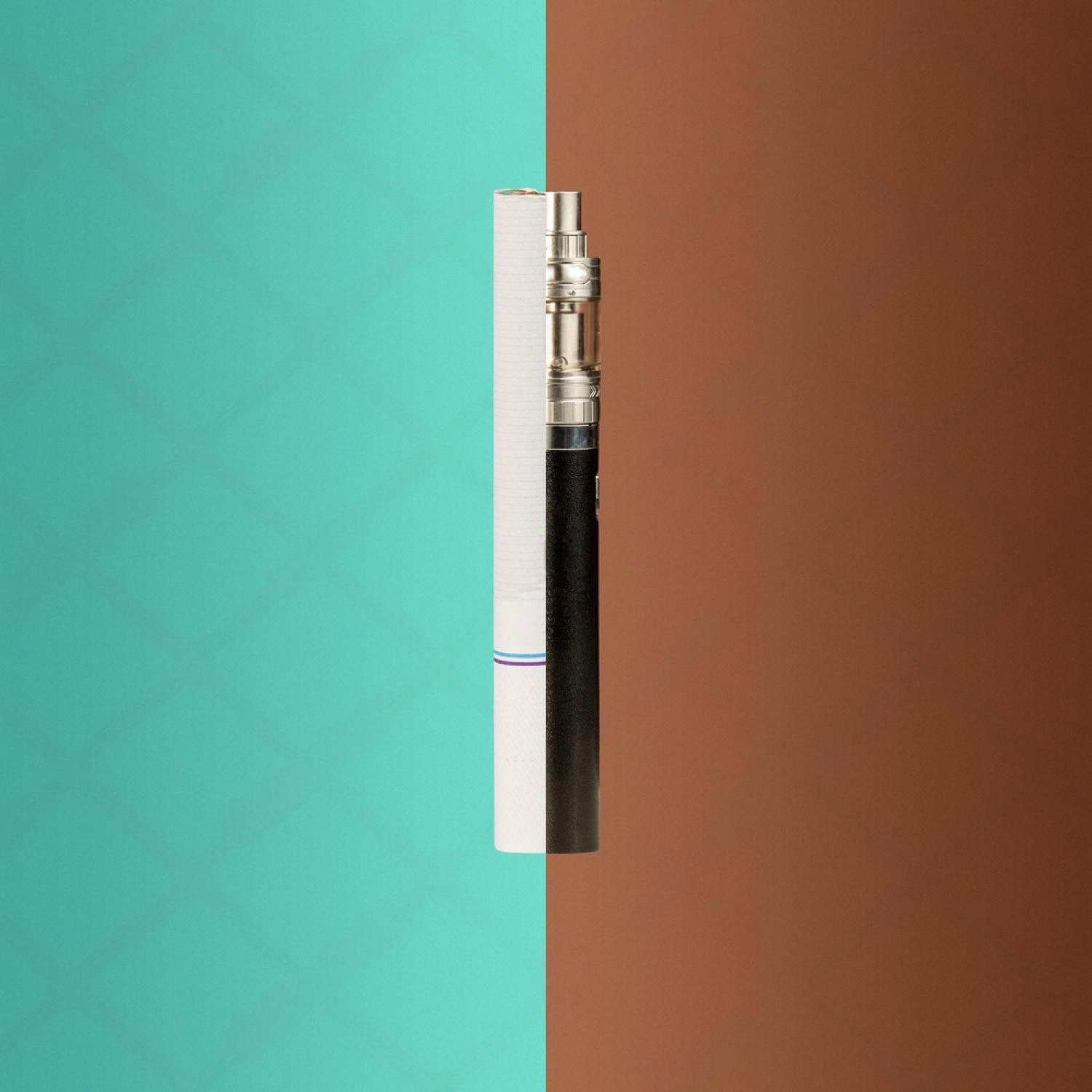
The 2018 profile. A daily smoker in Abu Dhabi buys a pack of cigarettes in the UAE every morning, carries a lighter, steps outside twice an hour, and accepts the smell on clothes and car interiors as unavoidable. Choice is limited to a handful of tobacco blends. The only real decisions are brand loyalty and pack size.
One product, one ritual, few complaints voiced because few alternatives existed.
The 2024 profile. The same shopper now compares a pod device, a refillable vape, and a heated tobacco unit before buying. They read reviews, check the electronic cigarette UAE price across two or three retailers, and expect USB-C charging, a leak-proof tank, and a flavour that is not just tobacco. They own two devices, one for the office and one for the weekend.
Multiple products, personal ritual, active research before every purchase.

What we tried
The industry threw everything at the wall
When conventional volumes started to plateau in mature markets, brands and independent labs in the Gulf and abroad experimented broadly. Some ideas landed. Many did not. The interesting part is which ones the UAE consumer actually rewarded with repeat purchase.
- Bigger batteries, bigger devices. Early sub-ohm mods promised marathon battery life, but most shoppers found them too bulky for a shirt pocket in 40 C heat.
- Extreme flavour variety. Hundreds of dessert and cocktail-inspired e-liquids launched. A small core of mint, fruit, and tobacco kept over 70 percent of shelf space, according to public market summaries.
- Cloud-focused hardware. Large vapour output looked good on YouTube but clashed with indoor etiquette in malls and offices.
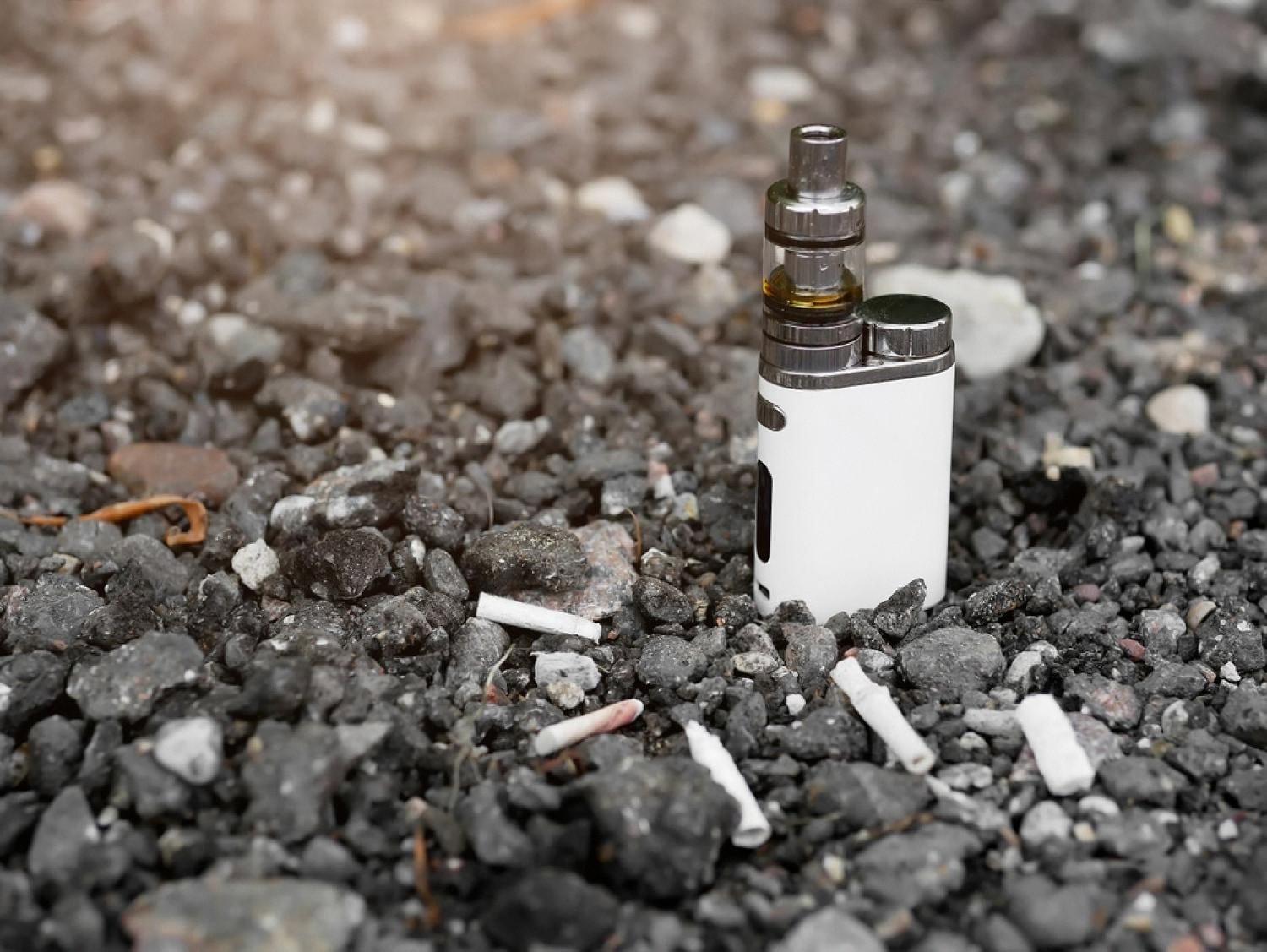
- Cheap disposables. These moved volume fast, then triggered a wave of complaints about e-waste on Dubai beaches and in the desert.
- Loyalty apps and QR-linked packs. Adoption was mixed. Consumers wanted convenience, not a second login.
What worked
Small, quiet, reliable, and honest about what it is
Once the noise cleared, a shorter list of features kept showing up in the products that actually sold through in Dubai, Sharjah, and Abu Dhabi. These are the things R&D teams now design around from the first sketch.
- Pocketable form factors. Devices under 20 grams that disappear into a jacket, without a dangling cable.
- Leak-resistant pods. Silicone gaskets and top-fill designs mean no oily patches in a bag full of documents.
- Battery performance in heat. Cells and chipsets tuned for Gulf summers, with thermal cut-offs that trigger before a device becomes uncomfortable to hold.
- Advanced chipsets. Modern boards regulate wattage puff by puff, so the last draw of a pod tastes like the first.
- Sustainable packaging. Recyclable card sleeves, less foil, and refill pods that reduce landfill weight per user.
- Restrained flavour menus. Curated ranges of six to twelve options, not a wall of ninety.
- Clear labelling. Nicotine strength on the front of the pack, in milligrams per millilitre, in both Arabic and English.
The role of R&D, and why UAE feedback matters
Product teams treat the UAE as a high-signal market. Consumers here are tech-literate, buy online, and leave detailed reviews. That feedback shortens the loop between prototype and shelf. A pod that leaks in a car left in Deira parking gets flagged within a week. A coil that burns out early in humid coastal weather shows up in return data before it ships in bulk.
Quality assurance has tightened in parallel. ISO-certified factories now run automated leak tests, weight checks, and battery-cycle simulations on every batch. Consumer-facing brands publish some of this on their sites, partly because regulators such as the UAE Ministry of Industry and Advanced Technology expect verifiable standards on imported electronics.
- Consumer panels. Small groups test prototypes for a week and log daily notes.
- Engineering revisions. Airflow, coil resistance, and mouthpiece angle get tuned based on those notes.
- Field trials. Limited runs go to selected retailers in Dubai and Riyadh.
- QA sign-off. Batch samples pulled from every 1,000 units for teardown.
- Iterate. Next revision ships in six to ten weeks, not six to ten months.
{{IMAGE_2_PLACEHOLDER_REMOVED}}
The lesson from the UAE market is simple. People do not want a novelty, they want something that fits into a normal day. Every winning product we shipped came from cutting features until the device felt boring in the best way, small, quiet, and dependable.
Emerging trends worth watching
Three shifts are moving fastest right now. First, connected devices with basic Bluetooth pairing that let a user set a daily puff limit, useful for people trying to taper. Second, eco-conscious redesign: replaceable batteries instead of sealed disposables, mono-material packaging, and take-back schemes piloted by a few retailers. Third, AI-assisted manufacturing lines that catch defects in real time, cutting waste and improving batch consistency, a pattern documented across consumer electronics by the World Economic Forum.
Digital retail is quietly changing too. Product pages now carry age-gate flows, ingredient lists, and coil-replacement schedules. That kind of transparency was rare five years ago.
Challenges the industry has not solved
- Supply chains. Chipsets, lithium cells, and food-grade flavourings still move through congested global routes. A single port delay in Asia can empty UAE shelves within a fortnight.
- Environmental load. Disposables remain the fastest-growing sub-category and the most criticised. Recycling infrastructure for small lithium devices is thin across the Gulf.
- Regulatory change. Excise tax adjustments, flavour restrictions in some jurisdictions, and evolving standards from bodies like the World Health Organization keep product roadmaps in flux.
- Standardisation. Coil threads, pod fittings, and charging ports vary by brand, so a customer who switches devices often replaces accessories too.
- Consumer education. Nicotine strength, ingredient safety, and battery care are still poorly understood by casual buyers.
Future outlook
Where the next five years point
Expect fewer, better products rather than more of them. Hardware will consolidate around USB-C, replaceable batteries, and standardised pod fittings. Packaging will shed foil and plastic. Retail will lean more on trained in-store advisors for the same reason coffee shops hire baristas: a knowledgeable human still closes a sale that a spec sheet cannot.
On the manufacturing side, machine-vision quality control will become standard, and predictive maintenance will cut factory downtime. On the consumer side, the winners will be the brands that stop treating the shopper as a segment and start treating them as a repeat customer who reads the label.
Frequently asked questions
Why has innovation in the nicotine industry accelerated so quickly in the UAE?
Two forces overlap here. The UAE has a young, digitally engaged population that researches purchases online and expects modern hardware standards, USB-C charging, decent battery life, and clean design. At the same time, regulators formalised the category in 2019, which pushed brands to invest in compliant, better-engineered products instead of grey-market imports.
The result is a market that rewards refinement over novelty, and that speeds up product cycles.
What features do UAE consumers actually value in a nicotine device?
Consistently, four things: portability, leak resistance, reliable battery performance in hot weather, and clear labelling. Cloud size and gimmicky flavours have faded as selling points. A device that fits in a shirt pocket, survives a day in a car, and delivers a consistent draw from first puff to last will outsell a flashier competitor.
Are traditional cigarettes still relevant in this market?
Yes. Traditional cigarettes remain the largest single sub-category by volume in the UAE, even as alternatives grow. The industry is not replacing one product with another so much as widening the shelf. Many consumers use more than one format, for example a pack for social occasions and a pod device for daily use.
How is sustainability being addressed?
Slowly, but with real movement. Recyclable card sleeves are replacing plastic clamshells. A few brands offer take-back programmes for used pods and disposables. Refillable systems are being marketed harder than throwaway devices. The biggest unresolved issue is small-format lithium recycling, where regional infrastructure is still catching up.
What role does R&D play in shaping new products?
R&D is now the difference between a product that sells for one quarter and one that stays on shelves for years. Teams run consumer panels, prototype in short cycles, and field-test in specific climates before scaling production. Feedback from Gulf users, who use devices in extreme heat and humidity, is treated as high-value stress-test data.
What should a first-time buyer look for?
Start with a reputable retailer that lists ingredients and nicotine strength clearly. Choose a device with replaceable coils or pods rather than a sealed disposable, both for cost and environmental reasons. Prefer USB-C charging, and check that the battery has thermal protection. If the label is vague or the packaging looks generic, walk away.
Will regulation slow innovation?
Regulation usually redirects innovation rather than stopping it. Clearer rules on labelling, ingredient disclosure, and product testing push out low-quality operators and give serious brands a stable framework to invest in. Expect more standardisation of pods and connectors, and more transparency on what is inside every bottle and cartridge.

Biker, self-starter. Performing at the crossroads of beauty and programing to save the world from bad design. Let’s make EVERY day.
A case study on how shifting consumer expectations in the UAE are driving product design, materials, manufacturing and retail across the nicotine industry.